What We Do
Resilience
We equip communities to prepare and protect themselves in the face of climate-driven challenges – especially the communities hit first and worst.
Empowering Resilient Women
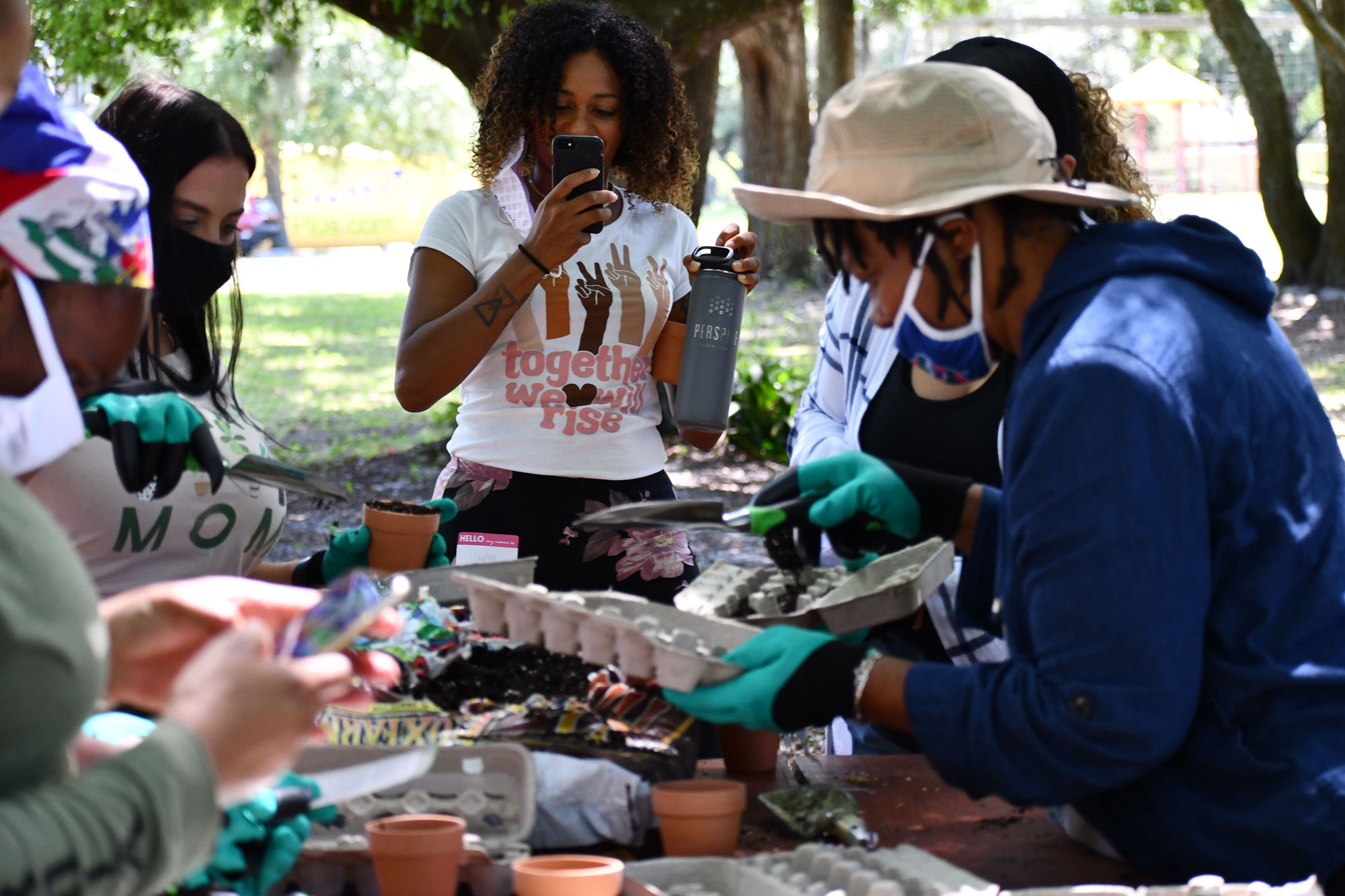
Women build community cohesion by serving as first responders and caregivers at home and in their communities. Women, especially in historically marginalized groups, are also exposed to higher risks and greater burdens from the impacts of climate change. CLEO’s Empowering Resilient Women (ERW) program was created to address these disparities. ERW was modified in the aftermath of Hurricane Irma to address the ongoing need for emergency preparedness.
Women who participate in the program dive into the interconnected challenges of climate change, food security, gentrification, community well-being, extreme weather events, and civic engagement. They also develop critical skills to navigate issues like extreme heat protection and receive essential training in first aid and CPR. Participants walk away with a deeper understanding of climate solutions and learn how these insights can enhance climate advocacy efforts.
“I thought climate change happened up there in space. Now I can teach the kids when they ask me questions. Now I can tell them about climate change because I know about it. I have three grandchildren; they will be resilient, and I will pass on whatever I learned.”


Extreme Weather Preparedness
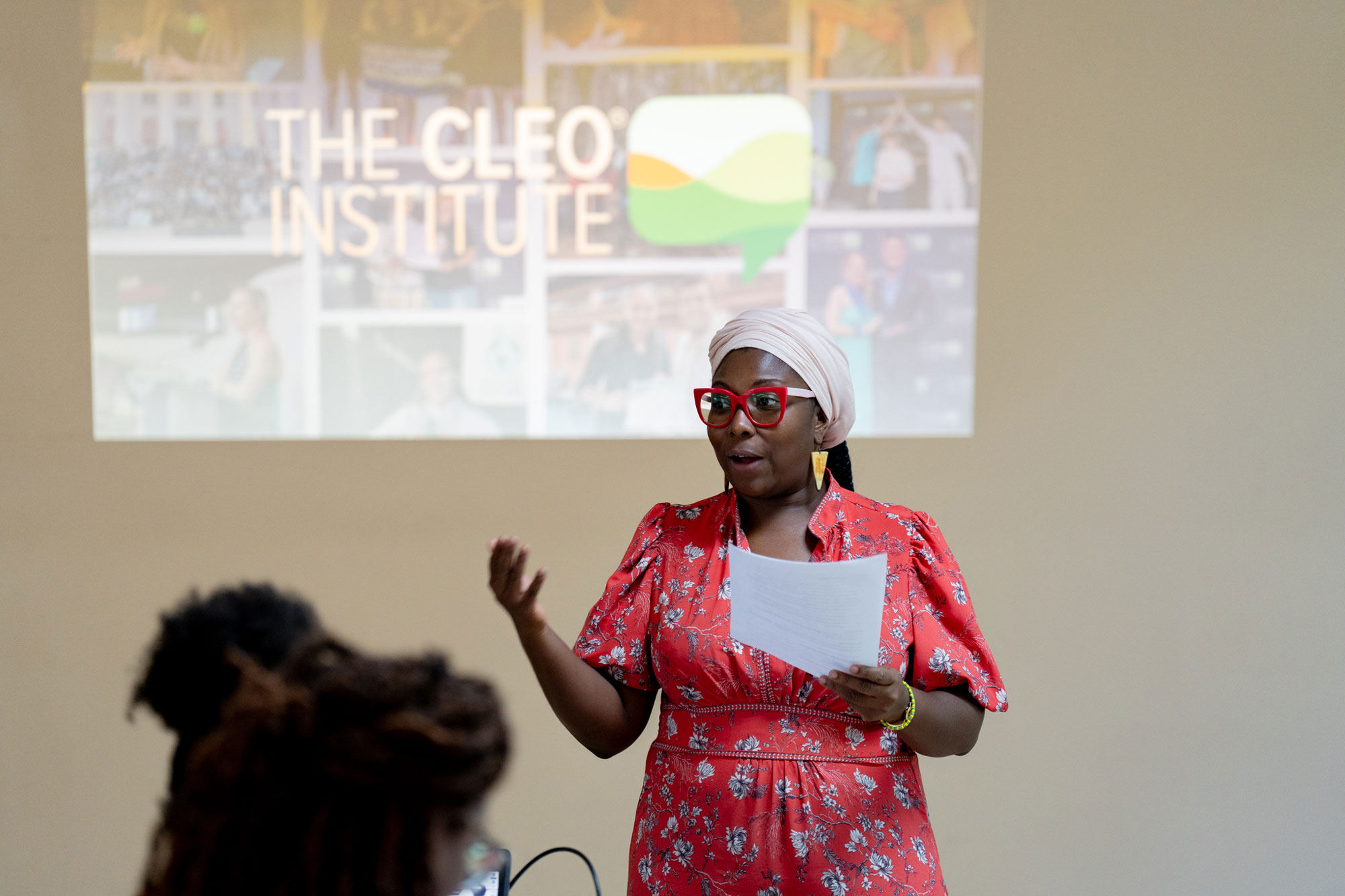
The climate crisis has created unnaturally extreme weather, including deadly heatwaves and devastating hurricanes. The CLEO Institute offers information and training to help everyone stay safe during a disaster. In 2025, CLEO partnered with Miami-Dade County on a Train-the-Trainer model of preparedness. 54 people received a day-long, in-depth training on climate change and ways to stay safe before, during, and after unnatural disasters. With information provided in English, Spanish, and Haitian Creole, all participants were given the tools to pass information, and resilience, on to their networks. Each person who completed the program has committed to training at least 30 others on a portion of the information, ensuring that Miami-Dade County residents are ready for anything that comes their way.
“Programs like these not only empower, they educate. We learned about the climate, how it’s changing, and affecting our cities directly. I am one of those people it has affected.”